Tour zum Nilometer, Manial-Palast und zur Totenstadt mit einer Felukenfahrt – Die verborgene Seele Kairos

Duration

10 Hours

Max People

30

Min Age

1 Year

Pickup

Arranged location

Erkunden Sie Kairos verborgene Seele – Nilometer, Manial-Palast und Totenstadt – mit einer Felukenfahrt.

Überblick

Kairo jenseits der Sehenswürdigkeiten erleben
Dauer: 8–9 Stunden
Tourart: Privattour
Kategorie: Tagestour
Verfügbarkeit: Täglich
Abholung: 08:00–10:00 Uhr
Diese exklusive, intensive Privattour führt Sie weit über die typischen Touristenattraktionen Kairos hinaus. Anstatt nur berühmte Sehenswürdigkeiten zu besuchen, erkunden Sie die verborgenen Schichten der Stadt – Geschichte, Kultur, Wissenschaft und menschliches Leben.
Sie erleben:
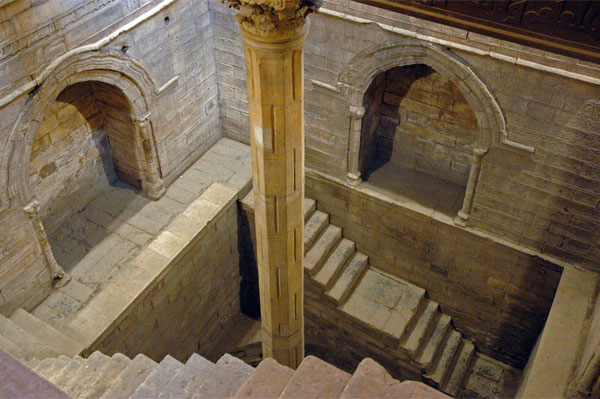
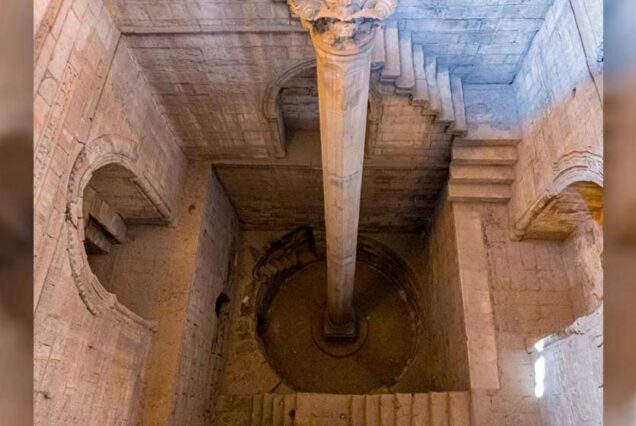
Nilometer – Die wissenschaftliche Erforschung des Nils: Wie die alten Ägypter und die frühen islamischen Herrscher den Wasserstand maßen, Überschwemmungen vorhersagten und den landwirtschaftlichen Kalender sowie das Steuersystem planten.

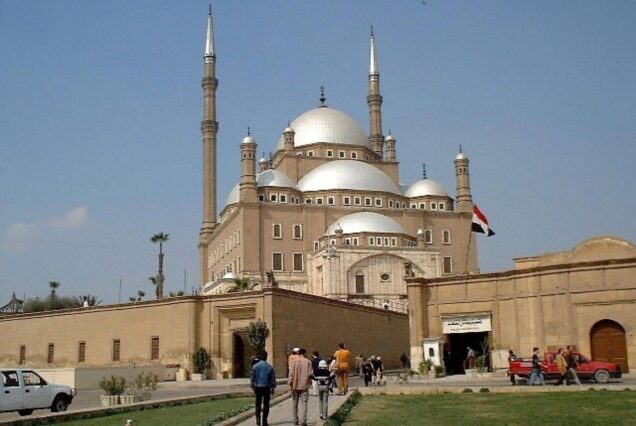
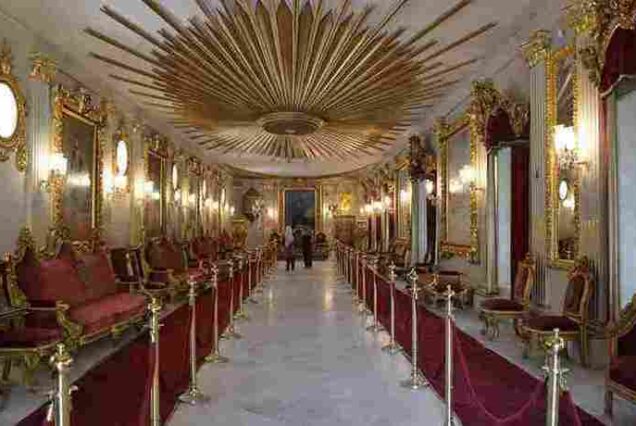
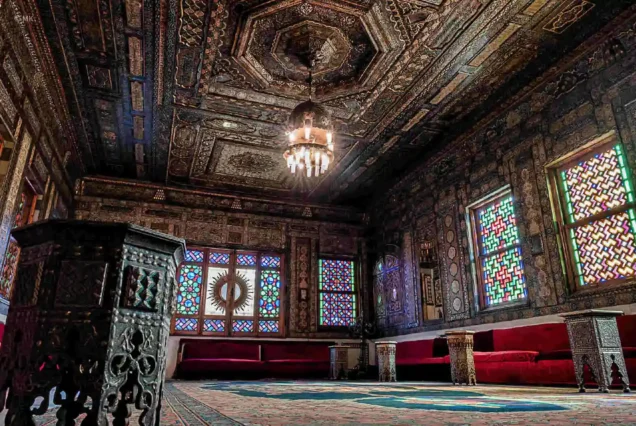
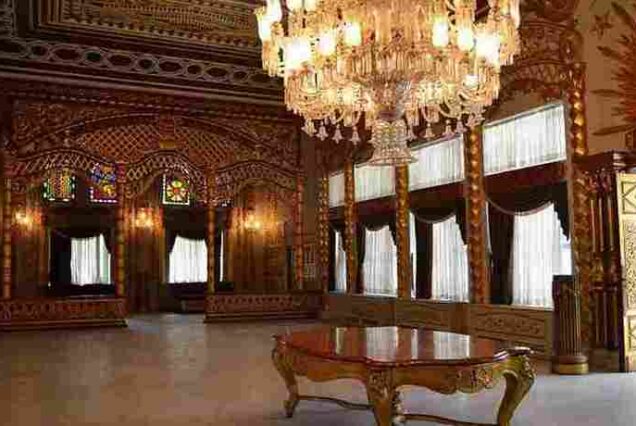
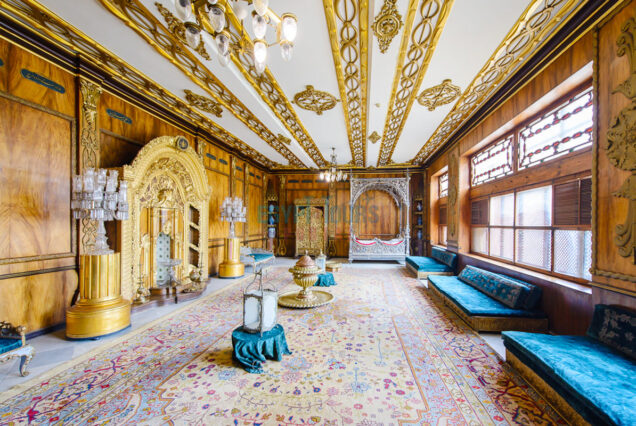
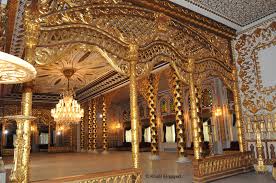
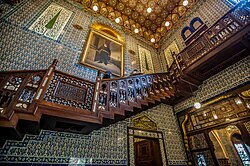
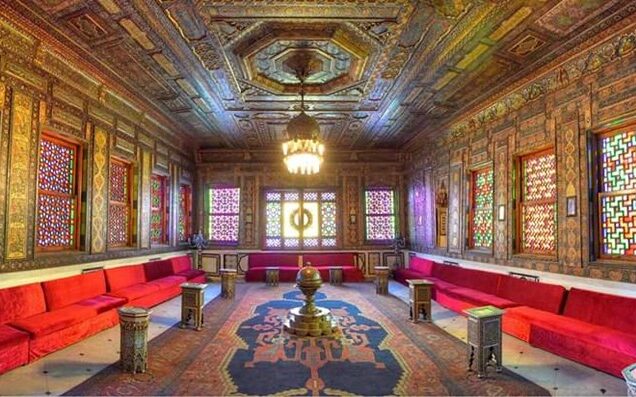
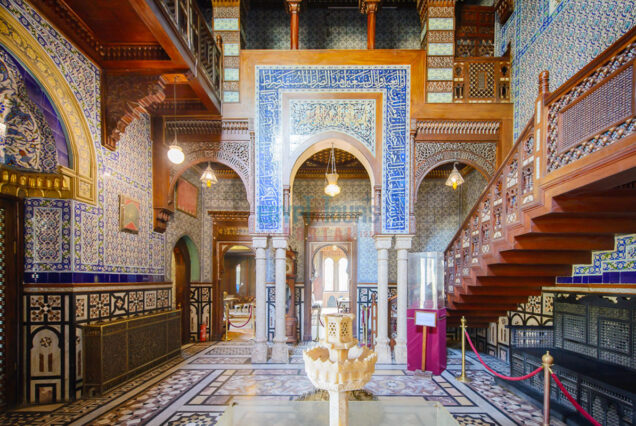
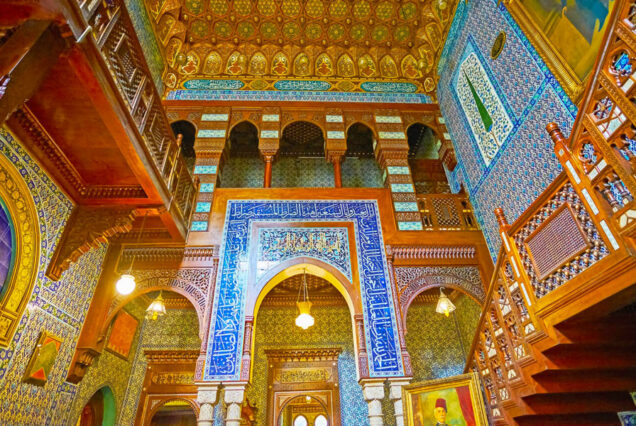
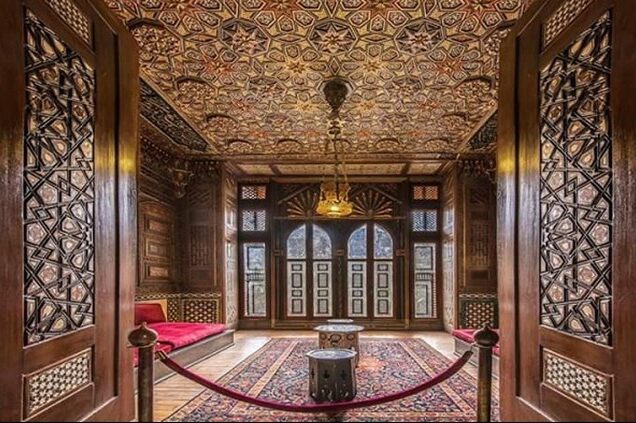
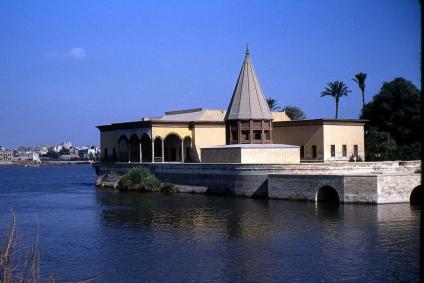
Manialpalast – Königliche Kunstvision: Eine einzigartige Verbindung islamischer, osmanischer, persischer und europäischer Einflüsse, die die Identität und Macht des ägyptischen Königshauses zum Ausdruck bringt.
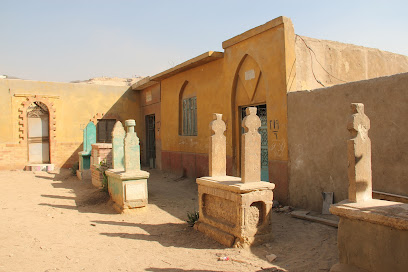
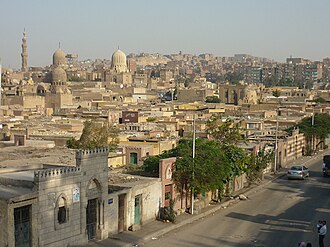
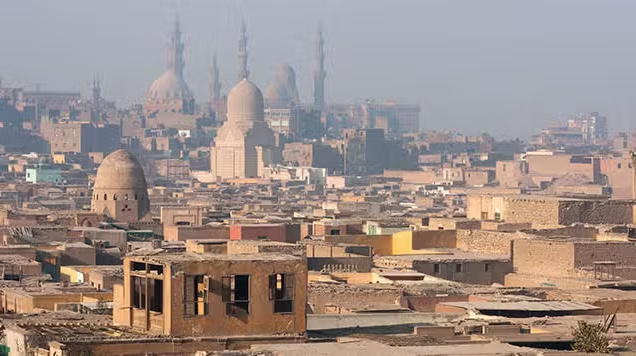
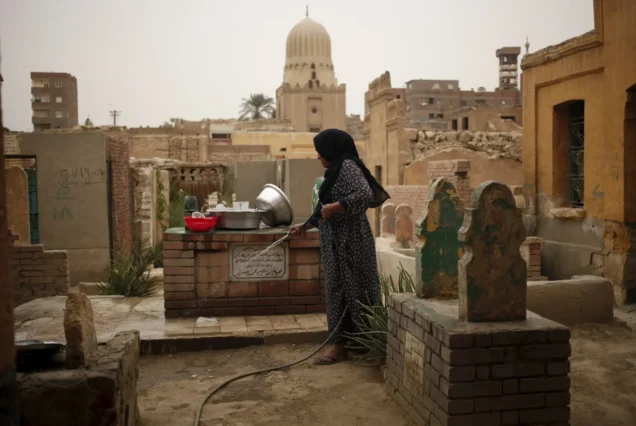
Totenstadt – Anpassung und modernes Leben: Eine lebendige Nekropole, in der das tägliche Leben zwischen jahrhundertealten Gräbern pulsiert und die menschliche Widerstandsfähigkeit und kulturelle Kontinuität eindrucksvoll demonstriert.
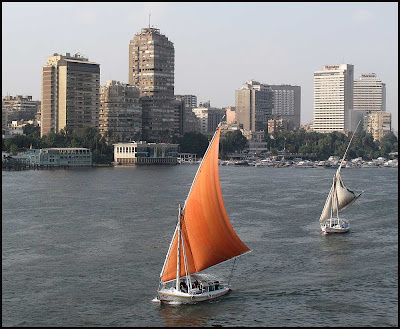
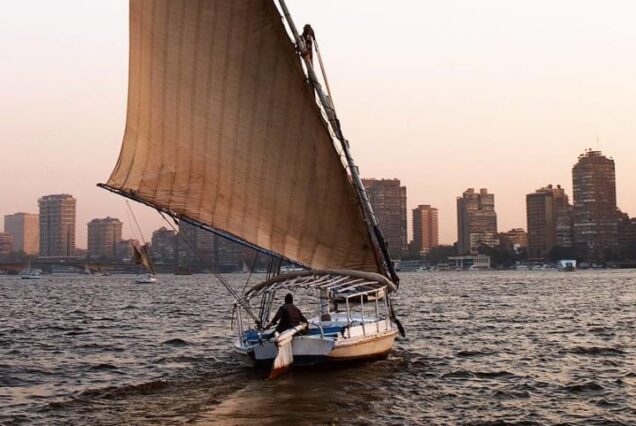
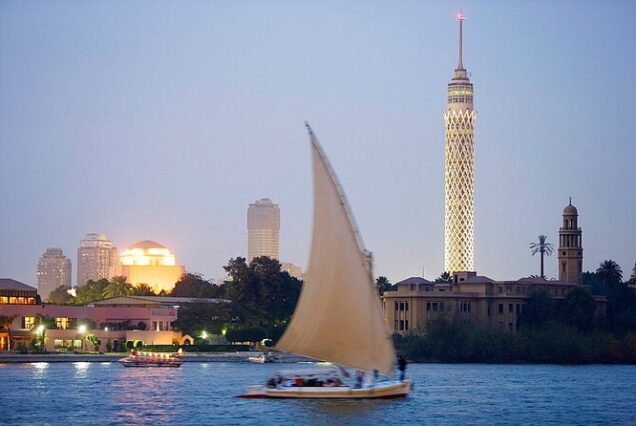
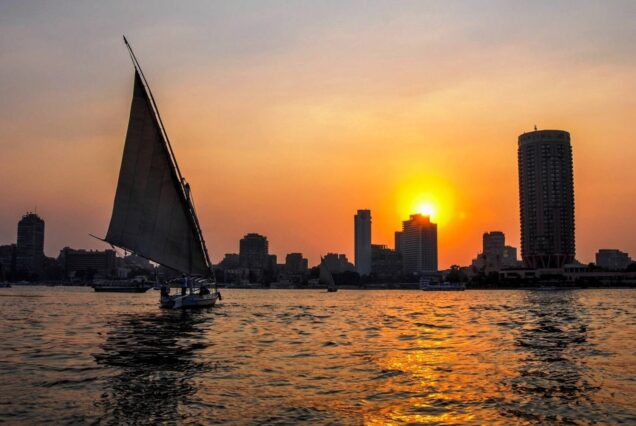
Felukenfahrt – Verbindung zum Nil: Ein beschauliches Segelerlebnis, das Reisenden die Möglichkeit gibt, den Tag Revue passieren zu lassen und die zeitlose Essenz Kairos entlang des historischen Flusses zu erleben.
Diese Tour ist ideal für Reisende, die:
Tiefgründige kulturelle Erlebnisse statt oberflächlicher Sehenswürdigkeiten suchen.
Kairos historische, wissenschaftliche und soziale Entwicklung verstehen möchten.
Erzählorientierte Reisen mit Kontext, Geschichten und Einblicken bevorzugen.
Eine individuelle, private Erkundung in Komfort und Stil wünschen.

Tour-Highlights

Besuchen Sie den Nilometer: Erfahren Sie, wie antike Zivilisationen die Nilfluten für Landwirtschaft, Besteuerung und Überleben nutzten, und entdecken Sie die ingenieurtechnische Meisterleistung dieses antiken Instruments.
Erkunden Sie den Manial-Palast: Entdecken Sie königliche Architektur und Gärten, die verschiedene kulturelle Einflüsse vereinen. Gewinnen Sie Einblicke in das fürstliche Leben, die Kunst und die kulturelle Raffinesse.
Erleben Sie die Totenstadt: Beobachten Sie das Zusammenspiel von Geschichte und Gegenwart – von spielenden Kindern an Gräbern bis hin zu Familien, die sich in antiken Bauwerken niederlassen.
Felukenfahrt auf dem Nil: Gleiten Sie friedlich den Nil entlang und lassen Sie die Entwicklung Kairos und Ihre Erlebnisse Revue passieren.
Fachkundige Führung: Erhalten Sie detaillierte Erläuterungen von einem lizenzierten, professionellen Reiseleiter, der Ihnen den Kontext jedes Ortes erklärt und historische, kulturelle und soziale Zusammenhänge herstellt.

Wichtige Informationen zur Abholung:
Abholung und Rücktransfer von Hotels in Kairo und Gizeh sind inklusive.
Für Abholung oder Rücktransfer von den folgenden Orten fällt jedoch aufgrund der größeren Entfernung von der Hauptroute eine zusätzliche Transfergebühr an:
Internationaler Flughafen Kairo, Internationaler Flughafen Sphinx, Neue Verwaltungshauptstadt,
Neu-Kairo, Heliopolis,
Badr City, Shorouk City, El Rehab City,
Obour City, Sheraton Al Matar,
Sheikh Zayed City, Madinaty.
Diese Gebiete liegen weiter außerhalb des Zentrums von Kairo und Gizeh, daher können zusätzliche Transportkosten anfallen.

Zusatzleistungen:
Einfache Fahrt vom/zum Flughafen Kairo: 25 $;
Hin- und Rückfahrt vom/zum Flughafen Kairo: 60 $

Included/Excluded

  • Private, modern, air-conditioned transportation for a smooth journey
  • Hotel pickup and drop-off in Cairo or Giza for a stress-free experience
  • Licensed professional guide with expertise in Cairo’s history, art, and culture.
  • Private felucca ride on the Nile.
  • Complimentary bottled water throughout the tour
  • All taxes and service charges included with no hidden costs
  • Light lunch during the felucca ride.
  • Optional activities outside the scheduled itinerary.
  • Entrance fees to all mentioned historical sites
  • Additional meals or drinks not listed.
  • Airport/distant pickup fees.
  • One-way airport transfer — $25
  • Round-trip airport transfer — $60
  • Tips and gratuities
  • Personal expenses
  • Drinks during lunch

Tour Plan

Tour Plan – Chronological Journey Morning – Nilometer (08:30 – 10:30 AM)

Pickup in a private air-conditioned vehicle from your hotel.
Drive to Rhoda Island, home of the Nilometer, one of Cairo’s oldest surviving scientific structures.
Learn how the Nilometer measured the Nile’s levels with astonishing precision, allowing rulers to predict floods, plan agriculture, and manage economic stability.
Explore architectural features, such as staircases leading to water gauges, precise calibrations, and inscriptions.
Understand the social and economic impact: taxes, food distribution, flood prediction, and community planning.
Reflect on the intersection of science, governance, and survival in ancient Egyptian society.

Late Morning – Manial Palace (11:00 – 01:00 PM)

Arrival at Manial Palace, the former residence of Prince Muhammad Ali.
Discover interior decorations:
Islamic geometric patterns symbolizing mathematics and harmony.
Ottoman elements reflecting imperial influence and craftsmanship.
Persian ornamental designs emphasizing refinement and luxury.
European Art Nouveau and Rococo details showing global artistic dialogue.
Stroll through gardens with rare plants, symbolic fountains, and carefully arranged landscapes.
Gain insight into the prince’s vision, cultural identity, and historical context, understanding how art, architecture, and power intertwine.
Explore the palace’s hidden stories, including personal objects, private rooms, and ceremonial spaces.

Afternoon – City of the Dead (01:30 – 03:30 PM)

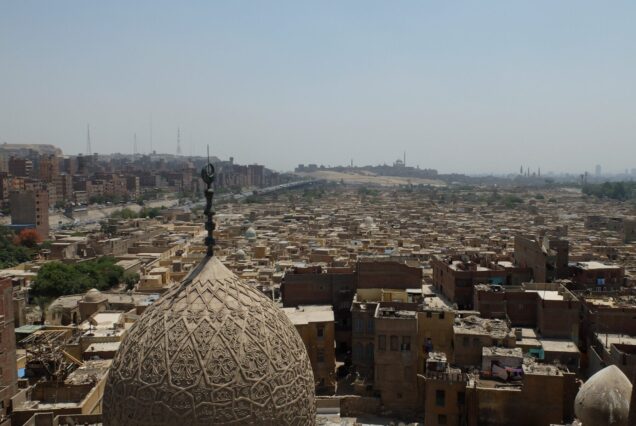
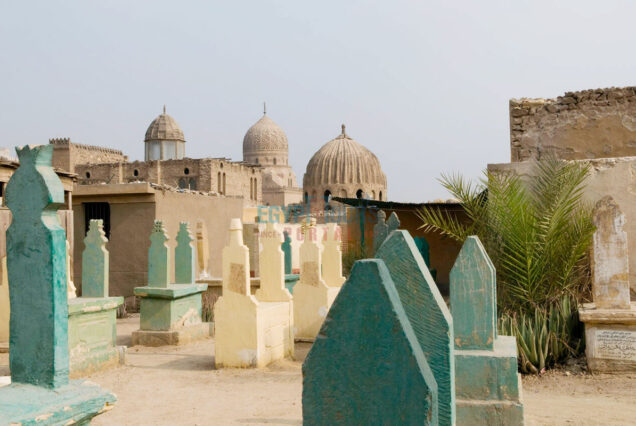
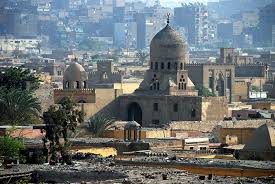
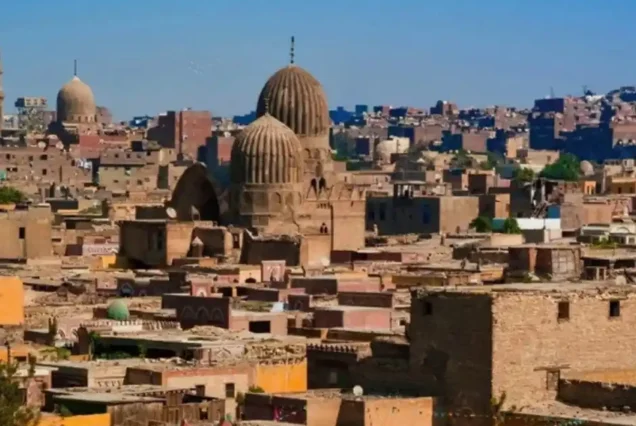
Explore the City of the Dead, an extraordinary urban necropolis.
Observe how modern residents live among ancient tombs, creating a unique urban ecosystem.
Witness daily life: children playing, markets forming, families working, and explore how adaptation has transformed centuries-old cemeteries into vibrant communities.
Understand urban sociology, community resilience, and spatial adaptation, gaining a rare perspective on Cairo’s social dynamics.
Learn about historical tombs, notable mausoleums, and their cultural significance, connecting the past and present.

Late Afternoon – Felucca Ride on the Nile (04:00 – 05:30 PM)

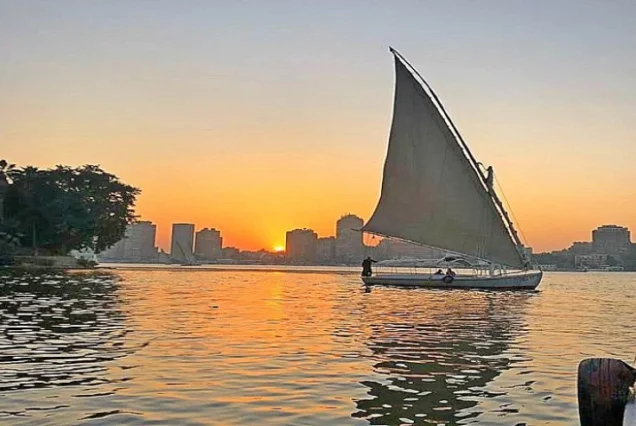
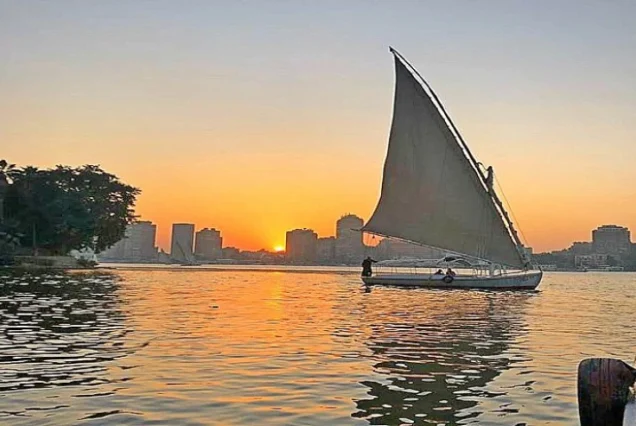
Board a traditional felucca for a gentle sail along the Nile.
Reflect on the day’s journey through history, art, and human life.
Enjoy the sunset, river breeze, and panoramic views of Cairo from a tranquil vantage point.
Light lunch is served on board, allowing time for contemplation and discussion.
Return to your hotel with a holistic understanding of Cairo, combining intellectual, emotional, and cultural insights.

In the Depth – Cairo’s Layers Explained In the Depth – Nilometer (Scientific Genius and the Nile’s Lifeline)

Origins and Historical Context

  • The Nilometer, built in Pharaonic times and used throughout Islamic Cairo, measured the Nile’s annual water levels.
  • Its creation reflects ancient Egyptians’ deep understanding of hydrology, astronomy, and social planning.
  • The Nile’s height directly affected:
    • Agriculture: determined planting, harvesting, and irrigation schedules.
    • Taxation: officials calculated taxes according to expected crop yields.
    • Urban Planning: helped protect cities from floods or droughts.
    • Food Security & Social Stability: prevented famine by predicting scarcity and surpluses.
  • Civilizations flourished or declined depending on accurate readings of the river, showing the profound link between nature and governance.

Engineering and Architectural Features

  • Stone staircases descend directly into the river for accurate water measurement.
  • Markings: Each step features calibrated stone increments representing water levels and ancient measurement units.
  • Water flow channels: Some Nilometers measured water speed for more precise prediction of floods.
  • Astronomical alignment: In some Nilometers, markings aligned with solstices or stars, showing the integration of mathematics, astronomy, and ritual.
  • Sacred inscriptions: Water levels were also spiritual symbols; high water indicated divine blessing.
  • Durability: Built to withstand centuries of flood pressure with reinforced stonework.

Socio-Economic Role

  • Low water: famine, rationing, delayed planting, and reduced taxes.
  • High water: damaged homes, required emergency mobilization.
  • Decision-making hub: Priests and rulers relied on Nilometer readings for administrative, economic, and social decisions.
  • Visitor Experience: Standing on the steps, tourists can imagine the anxiety of priests and officials awaiting readings that determined the fate of millions.

Cultural and Philosophical Insights

  • The Nile shaped religion, festivals, and daily life.
  • The Nilometer symbolizes humanity’s attempt to harmonize with nature.
  • Tourists today reflect on how ancient science and governance can inform modern environmental planning.
Manial Palace – Fusion of Art, Culture, and Power

Architectural Fusion

  • Built by Prince Muhammad Ali in the late 19th century.
  • Exterior: Islamic arches, Ottoman motifs, Persian tiles, European stonework.
  • Interiors: Elaborate ceilings, mosaics, and furniture blending styles from multiple cultures.
  • Symbolism: Represents royal authority, cultural dialogue, and sophistication.

Entrance Hall – First Impressions

  • Grand doors with carved geometric patterns.
  • Marble floors with intricate inlays reflecting Islamic and European styles.
  • Cultural Significance: Represents hospitality, power, and sets the tone for visitors.
  • Story Insight: Diplomats, scholars, and dignitaries would meet here; architecture created an aura of sophistication and authority.

Reception Rooms – Art and Social Hierarchy

  • Blended styles: Islamic geometric patterns, Ottoman tile mosaics, Persian carvings, European Rococo influences.
  • Furniture, wall designs, and decoration communicate rank, ceremonial importance, and royal etiquette.
  • Deep Insight: Some rooms hosted official gatherings; others were used for intellectual discussions or private audience with the prince.
  • Visitors see how art and space dictated social hierarchy.

Private Quarters – Daily Life of Royalty

  • Bedrooms, libraries, and music rooms show personal tastes and leisure activities.
  • Ceilings feature mythological stories or historic events, integrating narrative into architecture.
  • Hidden passages allowed discreet movement.
  • Story Insight: Residents used spaces for music, reading, or private gatherings—offering a humanized perspective of royal life.

Gardens and Courtyards – Nature as a Narrative

  • Gardens include rare and imported plants, flowing water channels, and symbolic stone pathways.
  • Each element represents balance, life, purification, and royal refinement.
  • Historical accounts: Intellectual gatherings, debates on philosophy, art, and politics took place here.
  • Visitors experience a transition from structured architecture to natural elegance, engaging all senses.

Artifacts and Symbolism

  • Furniture, decorations, and hidden artifacts reveal royal habits, rituals, and daily routines.
  • Visitors understand how art and architecture reflect power, identity, and cultural sophistication.
In the Depth – City of the Dead (Living Necropolis and Human Adaptation)

Historical Evolution

  • Spanning centuries, originally a necropolis with tombs and mausoleums.
  • Over time, housing shortages turned it into a living community, blending tombs with modern residences.
  • Visitors witness layers of history and urban adaptation.

Children’s Spaces and Education

  • Courtyards become playgrounds, blending historical setting with modern life.
  • Children teach one another, combining tradition, resilience, and social learning.
  • Story Insight: Families pass oral histories tied to monuments, preserving culture and memories.

Markets and Micro-Economy

  • Markets sell food, crafts, and daily necessities.
  • Artisans continue ancient crafts, producing items for locals and tourists.
  • Visitors see how commerce thrives in unusual environments, reflecting Cairo’s ingenuity.

Housing Adaptation

  • Families convert mausoleums into homes: doors, windows, utilities installed while preserving historical elements.
  • Visitors experience how architecture adapts to social and cultural needs, blending heritage with modern survival.

Cultural and Social Insights

  • Illustrates continuity, resilience, and human adaptation.
  • Offers a rare perspective on Cairo’s urban complexity and cultural continuity.
  • Photography is encouraged with respect, and guided tours explain social norms.
Felucca Ride – Reflection and Timeless Connection

Timeless Connection

  • Sailing the Nile provides a unique perspective of Cairo’s past and present.
  • Links insights from Nilometer, Manial Palace, and City of the Dead into one coherent understanding.
  • Allows reflection on science, art, society, and history.

Scenic and Experiential Value

  • Sunset casts golden hues across the cityscape.
  • Gentle water, breeze, and boat motion create a meditative environment.
  • Light lunch onboard nourishes body and mind, supporting intellectual and sensory reflection.

Symbolic and Philosophical Interpretation

  • Felucca symbolizes continuity, patience, and harmony.
  • Reflects the Nile’s cyclical nature and Cairo’s historical rhythm.
  • Visitors integrate historical, architectural, social, and natural insights into a personal experience of the city.
Extended FAQ – Answering Every Question

Is the tour suitable for first-time visitors? Yes, with deep insights and layered experiences.
Physical demand? Moderate walking and exploration.
Children participation? Allowed with supervision.
Meals included? Light lunch on felucca.
Photography? Allowed, with flash restrictions in some rooms.
Best season? Cooler months recommended, flexible transport ensures comfort.
Accessibility? Some walking and stairs; private vehicle supports ease of travel.
Cultural etiquette? Respect local residents in City of the Dead.
Language support? Guides provide English, German, or other requested languages.
Safety measures? Fully licensed guides, secure transport, and careful planning.

Travel Guide – Insider Tips

Clothing: Light, breathable, comfortable shoes; modest attire at palaces.
Water: Bottled water included; bring extra for the City of the Dead.
Timing: Early morning recommended.
Photography: Respect local residents, especially in City of the Dead.
Interaction: Ask before photographing people.
Transport: Private vehicle ensures comfort, efficiency, and safety.

Why Book with luxuryniletour.com

Expert-level historical guides
Private, flexible tours tailored to your pace
Comfortable, modern transportation
Deep understanding of Egypt beyond typical tourism
Strong reputation for quality and reliability

Call to Action

Buchen Sie noch heute Ihre Tour zum Nilometer, zum Manial-Palast und zur Totenstadt mit Felucca Ride. Erleben Sie Wissenschaft, Kunst, Alltag und die Kultur des Flusses in Kairo wie nie zuvor.
Tourkarte

Rezensionen

Es gibt noch keine Rezensionen.

Schreibe die erste Rezension für „Tour zum Nilometer, Manial-Palast und zur Totenstadt mit einer Felukenfahrt – Die verborgene Seele Kairos“

Deine E-Mail-Adresse wird nicht veröffentlicht. Erforderliche Felder sind mit * markiert

Ab
$80.00 $110.00
Buchungsformular
Anfrageformular

Gäste

2

Adults

$80.00

Children

$60.00

File

Deposit Option 50% Per item
Available:
Total:

Gäste

2

Adults

$80.00

Children

$60.00

File